
How RFID Tags Are Programmed and Why It Matters
RFID tag encoding is one of the most important steps in any RFID system. It is the process of assigning a unique digital identity to every RFID tag, allowing products, assets, or equipment to be identified and tracked throughout their entire lifecycle.
Without proper encoding, an RFID tag is simply an empty chip. Once encoded, it becomes a valuable source of data that enables inventory management, traceability, automation, and real-time visibility.
Where Is the Data Stored?
An RFID tag consists of three main components:
• RFID chip (Integrated Circuit)
• Antenna
• Substrate or label material
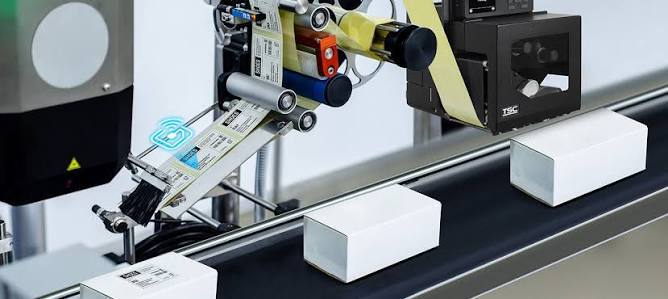
During the encoding process, data is written into the memory of the RFID chip using radio frequency signals generated by an RFID reader or RFID printer. The most commonly used memory area is the Electronic Product Code (EPC), which stores the unique identity of the tagged item.
Depending on the application, additional information may also be stored in other memory banks.
Types of RFID Tags
The encoding process varies depending on the type of RFID tag being used.
Passive RFID Tags
Passive RFID tags do not contain a battery. They receive energy from the RFID reader and are widely used in retail, logistics, manufacturing, and warehouse operations due to their low cost and long service life.
Active RFID Tags
Active RFID tags contain an internal battery, allowing them to communicate over much longer distances. They are commonly used for tracking high-value assets, vehicles, containers, and environmental monitoring applications.
Smart Labels
Smart labels combine a printed barcode with an RFID chip in a single label. During production, the label can be printed visually while the RFID chip is encoded at the same time, improving efficiency and reducing processing time.
EPC and GS1 Standards
Using internationally recognized standards is essential for interoperability across global supply chains.
Electronic Product Code (EPC)
The EPC is the digital identity stored inside the RFID chip. Every encoded tag should contain a unique EPC, allowing individual products to be identified anywhere in the world.
SGTIN (Serialized Global Trade Item Number)
SGTIN combines a product’s Global Trade Item Number (GTIN) with a unique serial number, creating a globally unique identity for every individual item.
This enables manufacturers, retailers, and logistics providers to track each product separately from production to the end customer.
Why Quality Control Matters
Encoding a tag successfully is only part of the process.
Every encoded tag should be verified to ensure it performs reliably in real-world conditions.
Typical quality control procedures include:
• Verifying that the EPC has been written correctly
• Confirming the tag can be read consistently
• Measuring read performance
• Detecting damaged or defective tags
• Validating data before shipment
Proper quality control minimizes errors, improves inventory accuracy, and prevents costly issues later in the supply chain.
RFID Encoding Across Different Industries
| Industry | Typical Encoding Focus | Key Benefits |
|---|---|---|
| Retail & Apparel | EPC / SGTIN | Inventory accuracy, faster stock counts, loss prevention |
| Logistics & Warehousing | Pallets, cartons, shipping units | Shipment verification, inventory visibility, automation |
| Healthcare & Pharmaceuticals | Batch numbers, expiration dates, product identification | Patient safety, traceability, regulatory compliance |
| Manufacturing | Work-in-process tracking, asset identification | Production visibility, process automation, quality control |
| Industrial & Defense | Asset identification and lifecycle management | Security, maintenance tracking, equipment visibility |
Best Practices for RFID Tag Encoding
Successful RFID encoding is more than simply writing data to a chip. A reliable encoding process should include:
• Using internationally recognized GS1 standards
• Assigning unique EPC numbers
• Verifying every encoded tag
• Performing quality inspections before shipment
• Matching the correct RFID tag to the intended application
By following these best practices, companies can improve inventory accuracy, increase operational efficiency, and build a more reliable RFID system from the very beginning.
Final Thoughts
RFID tag encoding is the foundation of every successful RFID deployment. Whether you are working in retail, logistics, healthcare, or manufacturing, properly encoded and verified RFID tags ensure accurate identification, seamless automation, and complete product traceability.
As RFID adoption continues to accelerate worldwide, investing in robust encoding processes and quality control is no longer optional—it is essential for building reliable, scalable, and future-ready RFID solutions.
Written by
Burhan Zenger
Founder | RFID Manufacturing & Consulting Specialist
Zengeer RFID
Question for our readers:
How does your company manage RFID tag encoding and quality verification? Have you encountered any challenges with data consistency or tag performance? Feel free to share your experience in the comments.


Leave a Reply