
What Is Active RFID? How It Works and Where It Is Used ?
As businesses continue to digitize their operations, knowing where assets are and what condition they are in has become just as important as producing or shipping them. This is where Active RFID makes a real difference.
What Is Active RFID?
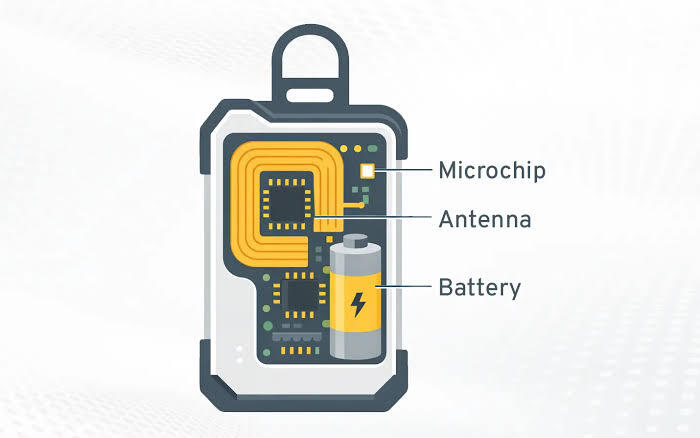
Active RFID is a type of radio frequency identification technology that uses tags with a built in battery. Because the tag has its own power source, it can transmit signals over much longer distances than a passive RFID tag.
Unlike Passive RFID, which only responds when energized by a reader, an Active RFID tag can periodically send its own signal. This makes it ideal for real time tracking and monitoring.
How Does Active RFID Work?
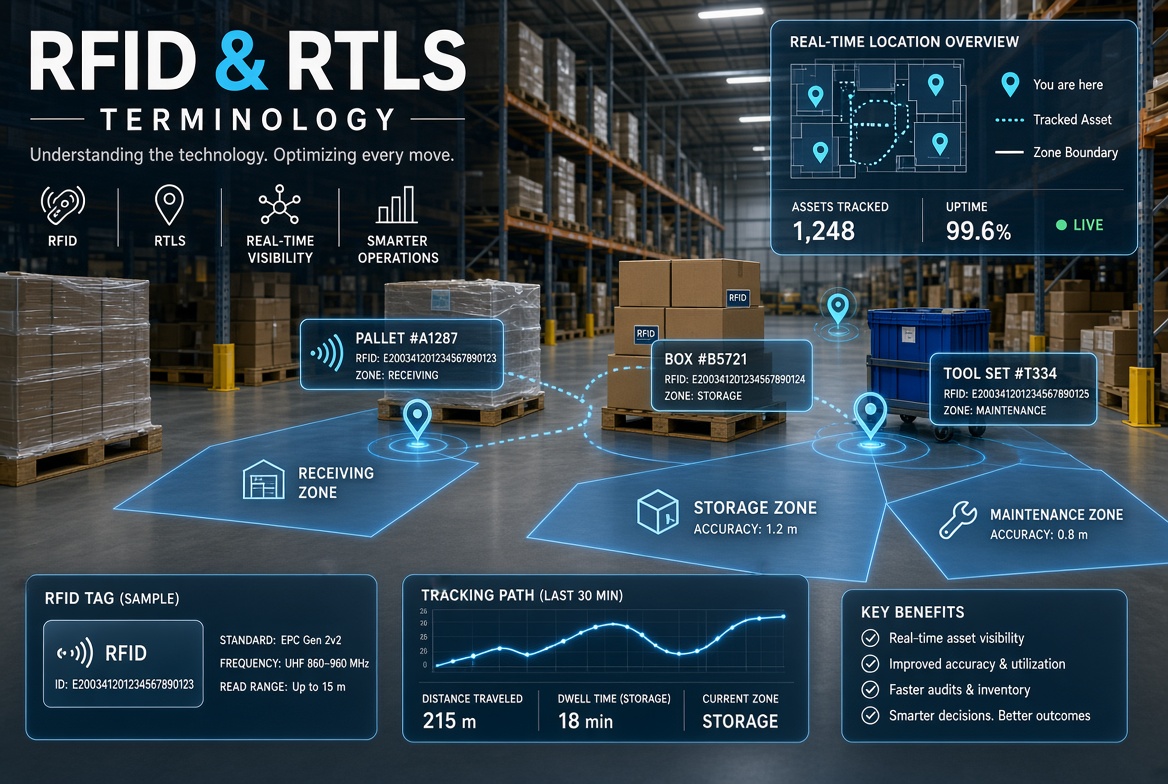
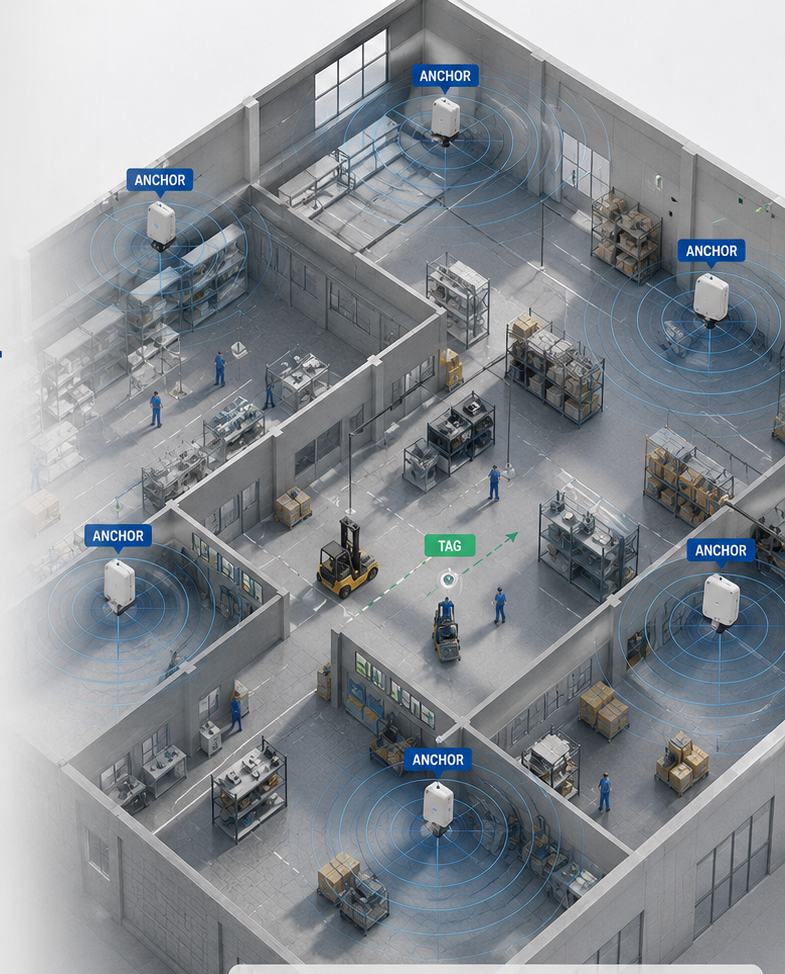
Each Active RFID tag contains a unique identification number. The tag sends radio signals at regular intervals, which are received by nearby RFID readers. These readers transfer the information to software platforms such as ERP, WMS, or asset management systems.
Some Active RFID tags can also include sensors that monitor temperature, humidity, motion, vibration, or other environmental conditions. This allows businesses to monitor not only the location of an asset but also its status.
Benefits of Active RFID
Active RFID offers several advantages for organizations that require real time visibility.
Long read ranges make it suitable for large warehouses, factories, ports, and outdoor environments.
Real time tracking provides continuous visibility of valuable assets.
Built in sensors can monitor environmental conditions such as temperature and movement.
Automation reduces manual work and improves operational efficiency.
Fast asset location minimizes the time spent searching for equipment and tools.
Where Is Active RFID Used?
Active RFID is commonly used in industries where valuable assets need to be tracked continuously.
Typical applications include:
-Logistics and warehouse management
-Manufacturing facilities
-Cold chain monitoring
-Healthcare equipment tracking
-Forklift and vehicle tracking
-Container and returnable transport item management
-Industrial asset tracking
Active RFID vs Passive RFID
| Feature | Active RFID | Passive RFID |
|---|---|---|
| Power Source | Built in battery | Powered by the RFID reader |
| Read Range | 30 to 100+ meters | Typically 1 to 10 meters |
| Signal Transmission | Sends its own signal | Responds only when queried |
| Sensors | Available | Generally not available |
| Cost | Higher | Lower |
| Best For | Real time asset tracking | Inventory and item identification |
When Should You Choose Active RFID?
Active RFID is the right choice when continuous visibility is more important than tag cost.
It is commonly used for tracking expensive equipment, vehicles, reusable containers, medical devices, and assets that require environmental monitoring.
For applications involving millions of low cost products, such as retail inventory, Passive RFID remains the more economical solution.
Final Thoughts
Active RFID is more than a tracking technology. It provides businesses with real time visibility, improves operational efficiency, and supports smarter decision making through accurate and continuous data.
When implemented in the right application, Active RFID reduces manual effort, minimizes asset loss, and helps organizations build more connected and intelligent operations.
Author
Burhan Zenger
28.06.2026


Leave a Reply